
Zossima’s Teaching and Example
The Brothers KaramazovThis flow traces how Zossima’s practice of humility, responsibility, and active love shapes Alyosha and frames the novel’s moral alternatives.
increasing Bearing strength in each event
 decreasing
Bearing strength in each eventdecreasingA Life of Repentance
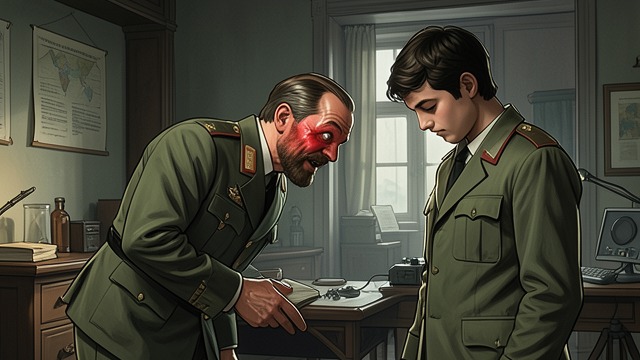
From violence to humility
A moment of recognition
As a young officer, Zossima beats his orderly, Afanasy, and recognizes the degradation of treating another person as a thing. He apologizes and bows before the man.
A new moral direction
On the way to a duel, Zossima chooses not to shoot and publicly confesses his wrongdoing. This act begins the conversion that makes him a teacher of responsibility rather than a judge of others.
Responsibility for All

Shared guilt and shared care
Beyond individual blame
Zossima teaches that each person is responsible for everyone and everything, not only for private acts. The principle asks people to respond to wrongdoing with responsibility rather than self-righteous distance.
Love made active
He contrasts active love with idealized charitable feeling: real love requires labor, patience, and endurance. The teaching offers Alyosha a way to enter a damaged world without condemning it.
Judgment and Forgiveness
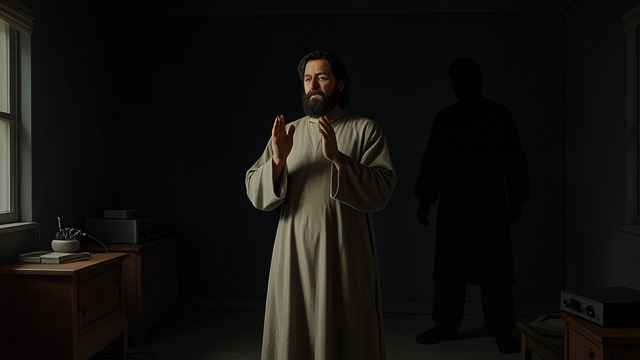
Mercy as a moral discipline
Resisting condemnation
Zossima warns that no one can judge another without recognizing his own share of responsibility. If possible, the observer should take on suffering rather than answer evil with vengeance.
The cost of love
His counsel does not promise an easy outcome: humility is hard, and the wrongdoer may mock the person who forgives. Yet the possibility of repentance remains, and love becomes a form of hope for the whole community.
Zossima’s youth, before he enters the monastery
Zossima’s teachings in Book VI
Zossima’s final exhortations before his death
